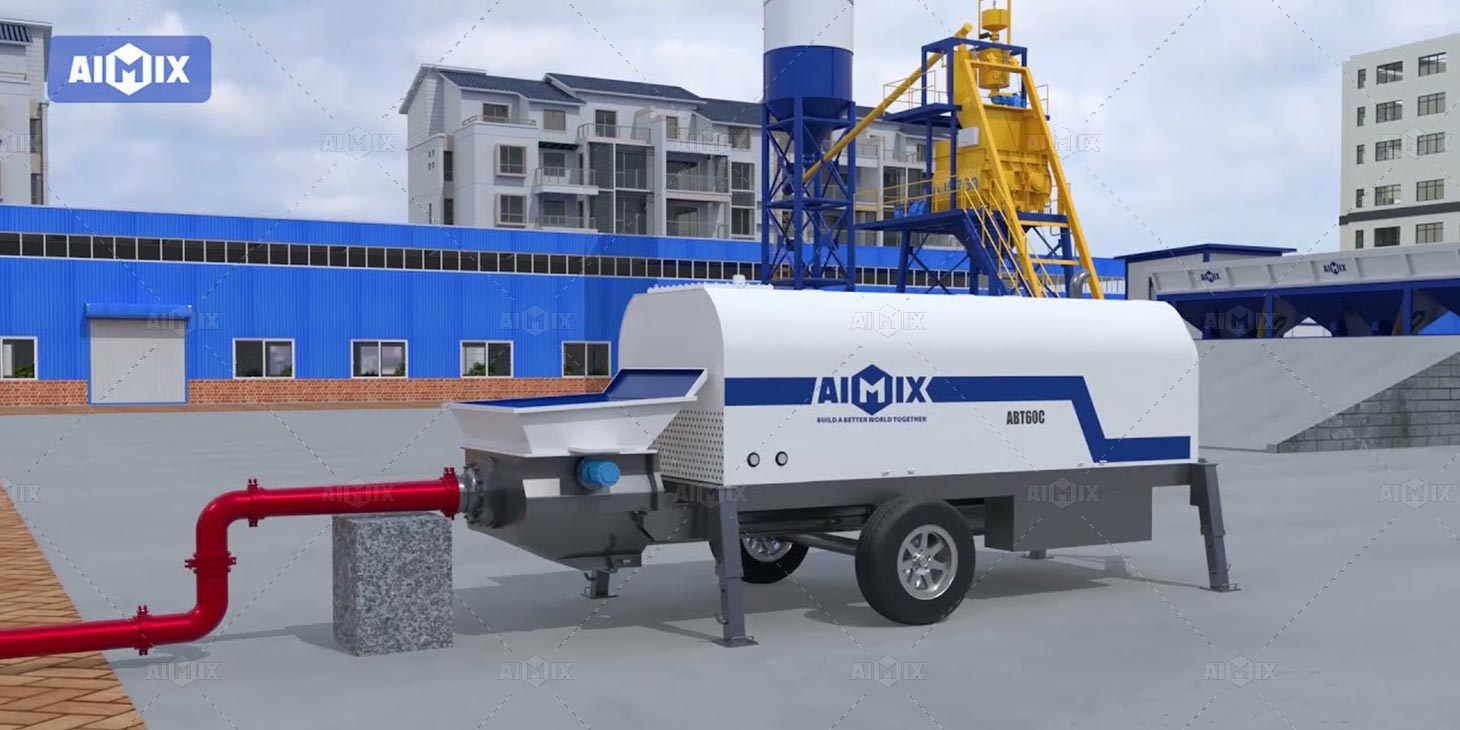
Across many African construction markets, including Nigeria, Kenya, and Tanzania, concrete placement methods are undergoing a significant transformation. Traditional manual pouring has supported countless small and medium construction projects for decades, relying heavily on human labor, wheelbarrows, and direct handling. However, as infrastructure development accelerates and projects become larger in scale, this approach increasingly reveals limitations in speed, consistency, and workforce efficiency. The transition toward pumped concrete equipment represents more than a change in machinery. It reflects a broader shift in construction philosophy—from labor-intensive execution toward equipment-driven productivity. Concrete pumps for sale allow contractors to deliver concrete faster, reach complex locations, reduce material handling challenges, and achieve more predictable construction outcomes. For African contractors operating in demanding environments, understanding this transformation is essential for improving competitiveness and project reliability.
The Limitations of Manual Concrete Pouring in Modern African Construction
Labor Dependency Creates Productivity Constraints
Manual concrete pouring depends heavily on human effort. Workers must transport concrete from the mixing point to the placement area using wheelbarrows, buckets, or other basic tools. Although this method remains practical for small projects, it becomes increasingly inefficient as construction scale expands. Large foundations, multi-story buildings, bridges, and infrastructure projects require continuous concrete placement. When workers become the primary transportation system, productivity is limited by walking distance, physical fatigue, and site organization. A delay at any stage of the process can interrupt the entire pouring sequence. In countries such as Nigeria, Kenya, and Tanzania, where construction projects are often distributed across urban expansion zones and remote development areas, reducing unnecessary labor movement has become a major efficiency objective. Equipment-based concrete delivery provides a way to overcome these bottlenecks.
Inconsistent Concrete Placement Affects Structural Quality
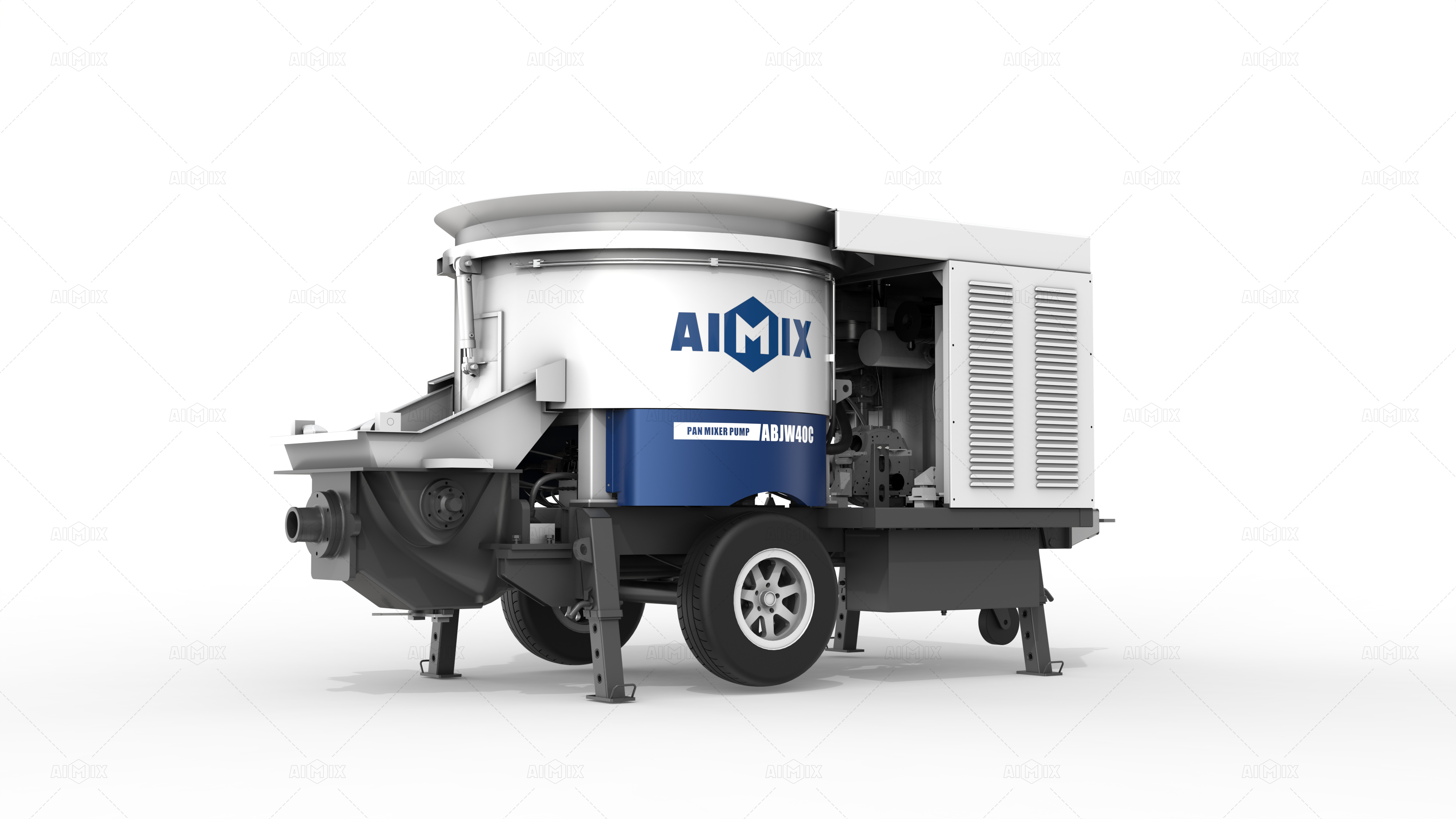
Concrete quality is not only determined by the mixing process. Placement methods also influence the final performance of a structure. Manual transportation can create uneven delivery intervals, causing interruptions between different pouring sections. When concrete placement is inconsistent, problems such as cold joints, uneven compaction, and reduced structural integrity may occur. These risks become more significant in projects requiring strict engineering standards. Concrete pumping creates a continuous and controlled material flow. The concrete reaches the required location at a stable rate, allowing workers to focus on vibration, leveling, and finishing rather than repeatedly transporting material.
How Pumped Concrete Equipment Changes Construction Operations
Faster Concrete Delivery Improves Project Scheduling
The most visible difference between manual pouring and concrete pumping is speed. A concrete pump transforms concrete movement from a manual transportation task into a mechanical delivery process. For example, a contractor working on a large foundation project can use a pump to deliver concrete directly from the mixing area to the pouring location. This eliminates multiple handling steps and reduces the time between mixing and placement. Faster delivery creates a more synchronized construction workflow. Workers can maintain a continuous pouring rhythm instead of waiting for additional batches to arrive. Over the duration of a project, these time savings can significantly influence completion schedules.
Access to Difficult Construction Areas Becomes Easier
African construction sites often present unique geographical challenges. Urban projects may have restricted spaces, while rural projects may involve uneven terrain, narrow access routes, or locations far from established infrastructure. Concrete pumping equipment in Tanzania provides greater placement flexibility. Through pipelines or hoses, concrete can be delivered vertically, horizontally, or into areas where traditional transportation methods are difficult. This capability is particularly valuable for high-rise construction, bridge structures, tunnels, water projects, and remote infrastructure development. Instead of redesigning the construction process around access limitations, contractors can adapt equipment to overcome those limitations.
Reduced Labor Pressure and Improved Resource Allocation
The adoption of concrete pumps does not simply replace manual workers; it changes how labor resources are utilized. Instead of assigning many workers to transport concrete, teams can focus on higher-value activities such as reinforcement installation, formwork preparation, surface finishing, and quality inspection. This shift creates a more efficient labor structure. Fewer workers are required for material movement, while skilled personnel can concentrate on tasks that directly influence construction quality. For contractors facing rising labor costs or limited availability of experienced workers, equipment-based concrete placement provides a strategic solution.
Why African Contractors Are Moving Toward Equipment-Based Concrete Solutions
Construction Scale Is Expanding Across Nigeria, Kenya, and Tanzania
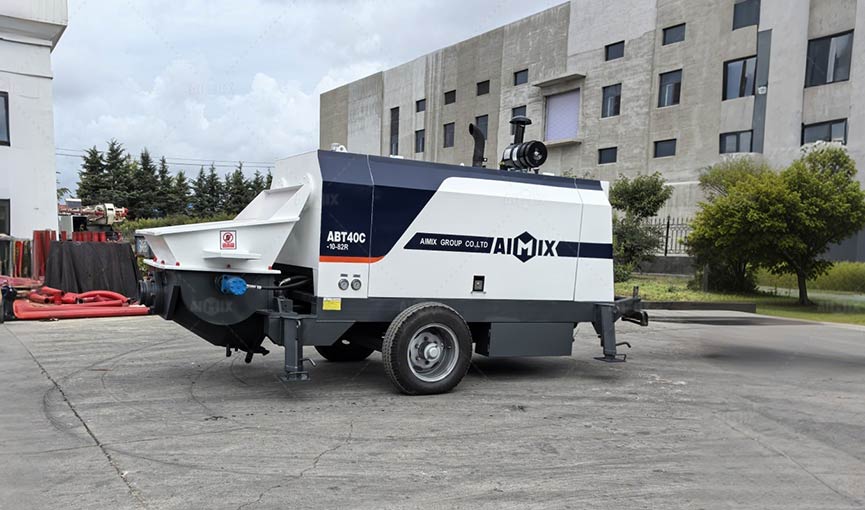
Infrastructure investment, urban development, and housing demand are increasing across many African economies. As projects become larger and more complex, traditional construction methods struggle to meet modern productivity expectations. A method suitable for a small residential project may not be appropriate for a highway bridge, commercial complex, or industrial facility. The larger the project becomes, the more important speed, precision, and operational continuity become. Concrete pumping equipment aligns better with this new construction environment by providing scalable concrete placement capability.
Equipment Investment Creates Long-Term Project Advantages
Although purchasing or renting concrete pumping equipment requires an initial investment, the value extends beyond immediate productivity gains. Contractors benefit from shorter construction cycles, improved concrete quality, and reduced dependence on manual transportation. The equipment becomes a productivity asset rather than simply a construction tool. It allows contractors to undertake larger projects, improve bidding competitiveness, and develop stronger operational capabilities. For markets like Nigeria, Kenya, and Tanzania, where construction demand continues to evolve, this transition represents a fundamental modernization of concrete placement methods.
The Future of Concrete Placement Is Defined by Efficiency and Adaptability
The movement from manual pouring to pumped concrete is not merely about replacing traditional methods with machinery. It represents a change in how construction projects are planned, managed, and executed. Manual pouring remains useful in certain applications, especially small-scale works. However, for contractors seeking higher productivity, better quality control, and greater project flexibility, concrete pump for sale in Nigeria offers a more advanced pathway. As African construction continues to expand, the ability to deliver concrete efficiently will become an increasingly important competitive advantage. Equipment-driven solutions will help contractors overcome site challenges, optimize resources, and build infrastructure faster and more reliably.
Comments
No comments yet. Be the first to react!