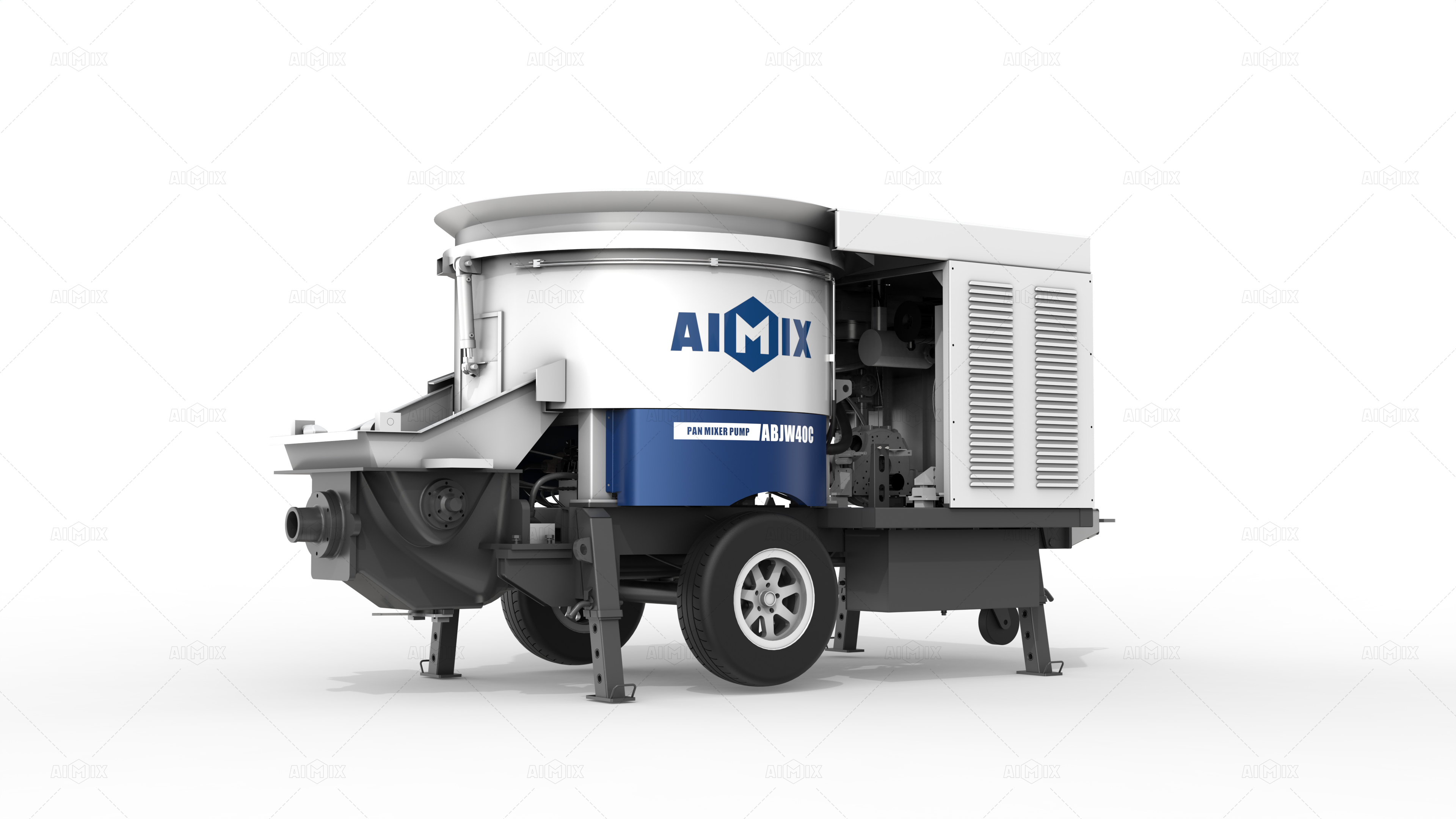
The construction industry in the United Kingdom is currently navigating a perfect storm of escalating demand and dwindling manpower. This paradox, characterized by a relentless push for new housing and infrastructure juxtaposed against a shrinking pool of skilled operatives, is compelling contractors to fundamentally rethink their on-site methodologies. Traditional concreting practices, heavily reliant on large gangs of laborers for the arduous tasks of mixing, hauling, and pouring, are becoming commercially unviable. As the availability of bricklayers, groundworkers, and general operatives plummets, the imperative for mechanization has never been more acute. In this environment, the mini concrete mixer pump has transitioned from a niche piece of equipment to an indispensable asset, offering a potent antidote to the constraints of a modern labor market that is both costly and capricious.
1. The Demographics of UK Construction: A Shrinking Workforce
The labor shortage in the UK construction sector is not a fleeting blip; it is a structural malaise driven by a confluence of sociopolitical and demographic factors. Understanding this backdrop is essential to comprehending the surging popularity of labor-saving machinery.
Brexit and the End of Free Movement
The departure from the European Union drastically curtailed the influx of skilled EU construction workers who had long been the lifeblood of the industry. Prior to 2016, these workers formed a substantial cohort of the concreting and finishing trades, renowned for their proficiency and work ethic. The new immigration framework has effectively erected a barrier, creating a vacuum that domestic recruitment has been unable to fill. Consequently, site managers are facing chronic understaffing, forcing them to compete fiercely for a diminished talent pool. This scarcity has not only stalled project timelines but has also eroded the ability to execute labor-intensive tasks like traditional on-site concrete mixing and manual bucket brigades, thus acting as a powerful catalyst for contractors to seek capital equipment solutions that can perform the heavy lifting—both literally and metaphorically.
An Aging Workforce and the Attraction Conundrum
Even before Brexit, the UK construction sector grappled with a demographic time bomb, as a significant proportion of its workforce approaches retirement age. The industry has historically struggled to attract younger generations, who often perceive it as less desirable than technology or service sectors. This generational disinclination is exacerbated by the physically demanding nature of concrete work; the relentless schlepp of a wheelbarrow up a ramp or the back-breaking labor of shoveling aggregate offers little appeal to modern entrants. The outcome is a pronounced skills gap, where the knowledge of how to efficiently manage a large concreting gang is rapidly disappearing. In response, firms are investing in mini mixer pumps to reduce their dependency on the physical prowess of a diminishing workforce, thereby making the remaining labor force more effective and less susceptible to fatigue.
2. Mechanization as the Antidote to Manpower Constraints
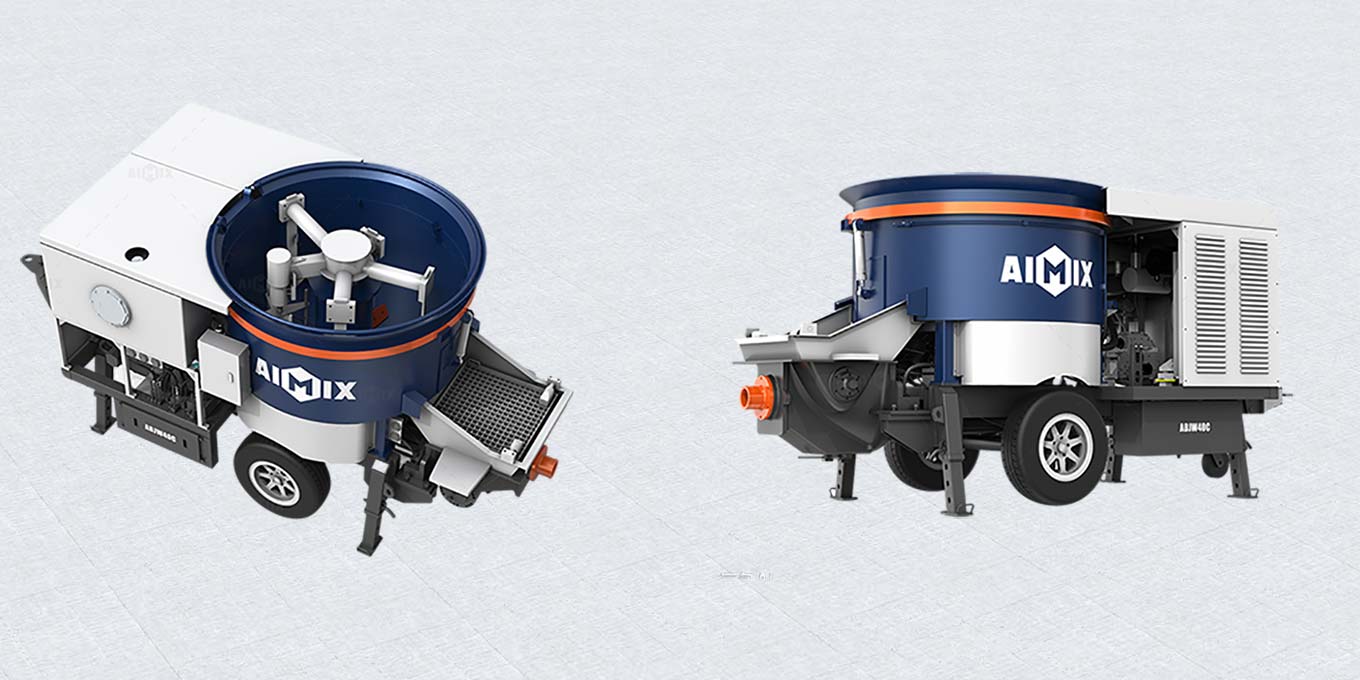
When human hands are in short supply, mechanical ingenuity must fill the void. The mini concrete mixer pump in UK offers a compelling value proposition by amplifying the output of a small crew, effectively allowing a reduced workforce to achieve the productivity levels of a much larger one.
Maximizing the Productivity of the “Remaining Few”
With site labor at a premium, the strategic imperative is to extract maximum value from each operative on the payroll. A mini mixer pump obviates the need for a dedicated “concreting gang” to transport material. By taking over the grueling duties of conveying wet concrete from ground level to the upper floors or to distant formwork, the machine liberates the available laborers. They can then be redeployed to more value-added tasks such as precise shuttering, reinforcement tying, and skilled concrete finishing. This reallocation of human capital means that a crew of three or four, supported by a pump, can easily surpass the output of a traditional team of ten, delivering a higher velocity of work and ensuring that the project progresses despite the manpower deficit.
Mitigating the Risk of Workforce “Bottlenecks” and Absenteeism
Relying on a large, physically exhausted workforce creates inherent fragility in the construction schedule. The sheer attrition rate on manual concreting tasks is high; operatives frequently succumb to fatigue, leading to elevated absenteeism and high staff turnover. This unreliability introduces dangerous “bottlenecks,” where the concrete pour is delayed due to a lack of laborers to move the material. The mini mixer pump provides a robust hedge against this unpredictability. It is a consistent, tireless worker that does not call in sick, require extended breaks, or suffer from physical strain. This reliability ensures that the concrete is placed at the optimum time, preventing “cold joints” and maintaining the structural integrity of the pour, while simultaneously insulating the contractor from the chaos of an unreliable human supply chain.
3. Economic and Logistical Rationalization
Beyond the operational advantages, the economic case for deploying mini concrete pumps in a tight labor market is compelling. The calculus shifts favorably when the escalating costs of human labor are weighed against the capital outlay for machinery.
Lowering the Total Installed Cost (TIC) of Concrete
The escalating wages commanded by scarce concrete finishers and laborers have significantly inflated the “Total Installed Cost” of concrete—the final price for concrete in place, ready for curing. While the pump requires a rental or purchase cost and fuel, this expenditure is dwarfed by the cumulative savings on payroll for the massive crew that would otherwise be required. Contractors are finding that the Return on Investment (ROI) for a mini pump is realized within a single major housing project. By reducing the headcount on site, the contractor slashes the associated costs of employer’s liability insurance, personal protective equipment (PPE) provision, and site welfare facilities, thereby enhancing margins in an increasingly cost-sensitive environment.
Accessibility in Constrained Urban Sites
Many UK construction projects, particularly those for infill housing or commercial extensions, are situated on tightly constrained urban plots with limited accessibility. A traditional truck-mounted boom pump is often too large and cumbersome for such locations. The mini concrete mixer pump, with its compact footprint and maneuverability, can navigate narrow alleyways and work within the confines of a building’s footprint. This allows contractors to mechanize the pour without the logistical headaches of obtaining road closures or marshalling large vehicles. The ability to bring the mixing and pumping function directly to the point of use, without requiring an extensive “corridor” of laborers, makes it the perfect machine for the modern, space-restricted UK site, ensuring that the project can proceed even when the workforce is lean.
Comments
No comments yet. Be the first to react!