When comparing a stone crusher machine price from a manufacturer with a quotation from a dealer, the lowest number on the page can be deceptively persuasive. A dealer may offer a seemingly attractive package, while a manufacturer may quote a higher price that includes a different equipment configuration, technical support, or customization. The difference is not necessarily a simple markup. Each quotation can represent a different combination of machine specifications, logistics, warranty coverage, commissioning services, spare parts, and commercial risk.
For buyers planning a crushing project, the more useful question is therefore not simply “Which price is lower?” but “What exactly is included in the price of stone crusher machine?” Understanding this distinction helps reveal the real cost of acquiring and operating a stone crusher machine. It also makes manufacturer and dealer quotations easier to compare on an equivalent basis.
What Determines a Stone Crusher Machine Price?
Machine Configuration Has a Direct Effect on Price
A stone crusher machine does not have one universal price. The cost depends heavily on the crusher type, processing capacity, feed size, discharge requirements, motor configuration, automation level, and supporting components.
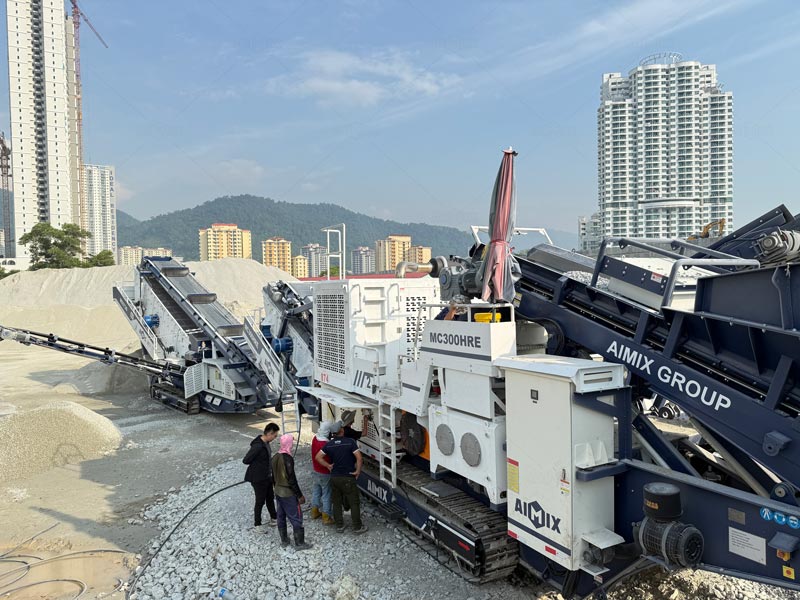
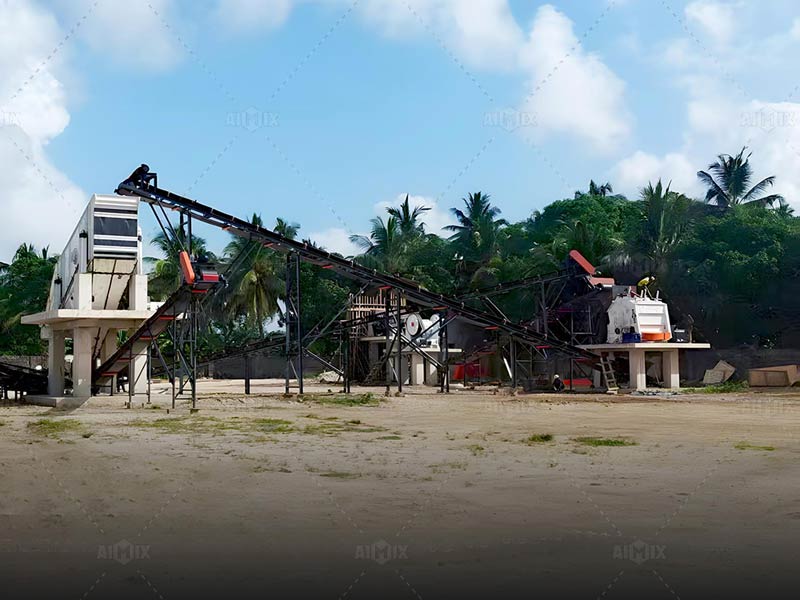
A jaw crusher designed for primary crushing may have a substantially different price from an impact crusher configured for shaping aggregates. A complete crushing plant containing feeders, conveyors, screens, and multiple crushers will naturally cost more than a single crushing machine.
This means that two quotations carrying similar descriptions may actually represent different technical configurations. Before comparing price, buyers should check the specification sheet line by line.
Material and Production Requirements Influence the Total Cost
The material being processed also affects equipment selection and therefore the final price. Granite, basalt, limestone, river stone, and recycled concrete have different hardness, abrasiveness, and crushing characteristics.
For example, a highly abrasive material may require more robust wear components, while a demanding production target may require larger crushers, additional screening stages, or a more sophisticated feeding system. These additions increase the initial cost but may be necessary for maintaining practical production performance.
What Buyers May Pay When Purchasing Through a Dealer
Dealer Price Often Reflects More Than the Machine
A dealer quotation may include several commercial layers between the original manufacturer and the final customer. These can include distribution margins, local warehousing, sales commissions, transportation within the dealer’s territory, technical support, and inventory costs.
This does not automatically make dealer purchasing uneconomical. A local dealer may provide valuable services that reduce the buyer’s logistical burden. Local stock can shorten delivery times, while nearby technicians may simplify maintenance or emergency repairs.
However, these services can be embedded in the final mobile crusher plant price. The buyer should determine whether the additional cost corresponds to tangible benefits or simply represents an intermediary margin.
Local Availability Can Have Real Economic Value
For a project where downtime is particularly expensive, rapid access to spare parts may justify a higher purchase price. A dealer with established local inventory can sometimes provide components faster than an overseas manufacturer.
The important point is to separate the machine cost from the service value. A higher price is easier to justify when the additional expenditure provides measurable operational advantages.
Transportation and Import Costs Can Distort the Comparison
One quotation may show only the equipment price, while another may include shipping, export packing, inland transportation, or other delivery-related expenses. Comparing these figures directly can create a misleading impression of which supplier offers the lower cost.
A proper comparison should identify whether the quoted price is EXW, FOB, CIF, or another commercial arrangement. Freight, customs duties, taxes, unloading, and site delivery may substantially alter the final cost of the crusher.
Why Manufacturer Price Does Not Always Mean the Lowest Initial Price
Direct Purchasing Can Remove an Intermediary Layer
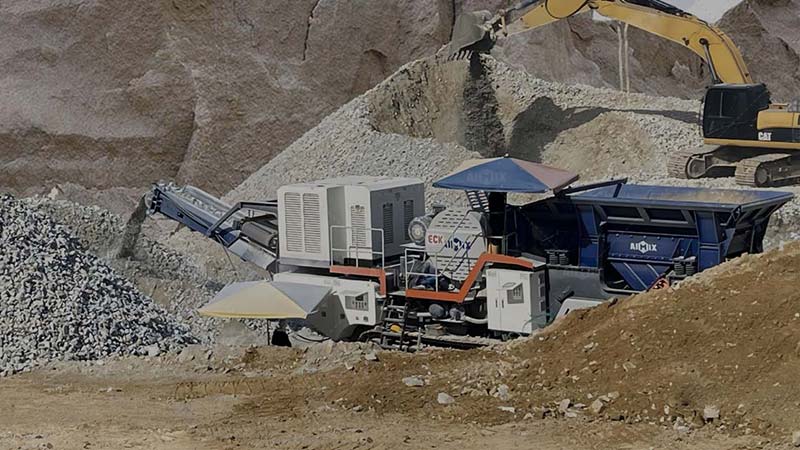
Buying directly from a manufacturer can reduce some distribution-related costs. The customer communicates with the company responsible for manufacturing the equipment rather than purchasing through an additional commercial channel.
This can make the price structure more transparent. Technical specifications, optional components, spare parts, and customization requirements can also be discussed directly with the equipment producer.
For large or customized crushing projects, this direct communication can be particularly valuable because equipment selection often requires engineering discussion rather than a simple product transaction.
Customization Can Change the Manufacturer’s Price
Manufacturer pricing should not be interpreted as a fixed catalog number. A crusher configured for a particular feed material, capacity, final product size, or site condition may require additional components.
A customized configuration can therefore have a higher price than a standard machine offered by a dealer. Yet the higher cost may reflect a better technical fit rather than an unfavorable commercial deal.
Technical Fit Can Matter More Than a Small Price Difference
An inexpensive crusher that cannot achieve the required output may become the more expensive option once operational losses are considered. Low capacity, excessive wear, frequent blockage, or unsuitable discharge sizing can increase the long-term cost considerably.
The real economic objective is therefore to minimize the total cost of producing the required aggregate, not merely the initial purchase price.
How to Compare the Real Cost of Two Crusher Quotations
Build an Equivalent Cost Comparison
A useful comparison should place both quotations under the same technical and commercial conditions. Buyers should compare machine capacity, crusher type, motor power, feed opening, maximum feed size, discharge size, wear parts, control system, included conveyors, screens, installation support, warranty, and spare parts.
Only after these factors are aligned does the price comparison become meaningful.
Consider Lifecycle Cost Rather Than Purchase Price Alone
The initial price is only the beginning of the economic equation. Electricity or fuel consumption, wear-part replacement, maintenance, labor, transportation, downtime, and expected service life all influence the actual cost of ownership.
A crusher with a slightly higher purchase price may provide a lower lifecycle cost if it operates more efficiently and requires fewer unscheduled repairs. Conversely, an expensive machine does not automatically offer better economics.
Ask What You Are Really Paying For
The most important question in a manufacturer-versus-dealer comparison is simple: what does the quoted price actually buy?
It may buy only the crusher itself. Or it may include a complete production solution, technical configuration, commissioning support, warranty, spare parts, and long-term service.
Therefore, the right purchasing decision should be based on price transparency, technical suitability, service value, and total cost of ownership. Stone crusher manufacturers may offer a competitive direct price, while a dealer may justify a higher price through local support and faster service. Neither route is universally cheaper.
For a stone crushing project, the lowest price is only attractive when it delivers the required performance at an acceptable long-term cost. Comparing what is inside each quotation is ultimately more important than comparing the numbers printed at the bottom.
Comments
No comments yet. Be the first to react!