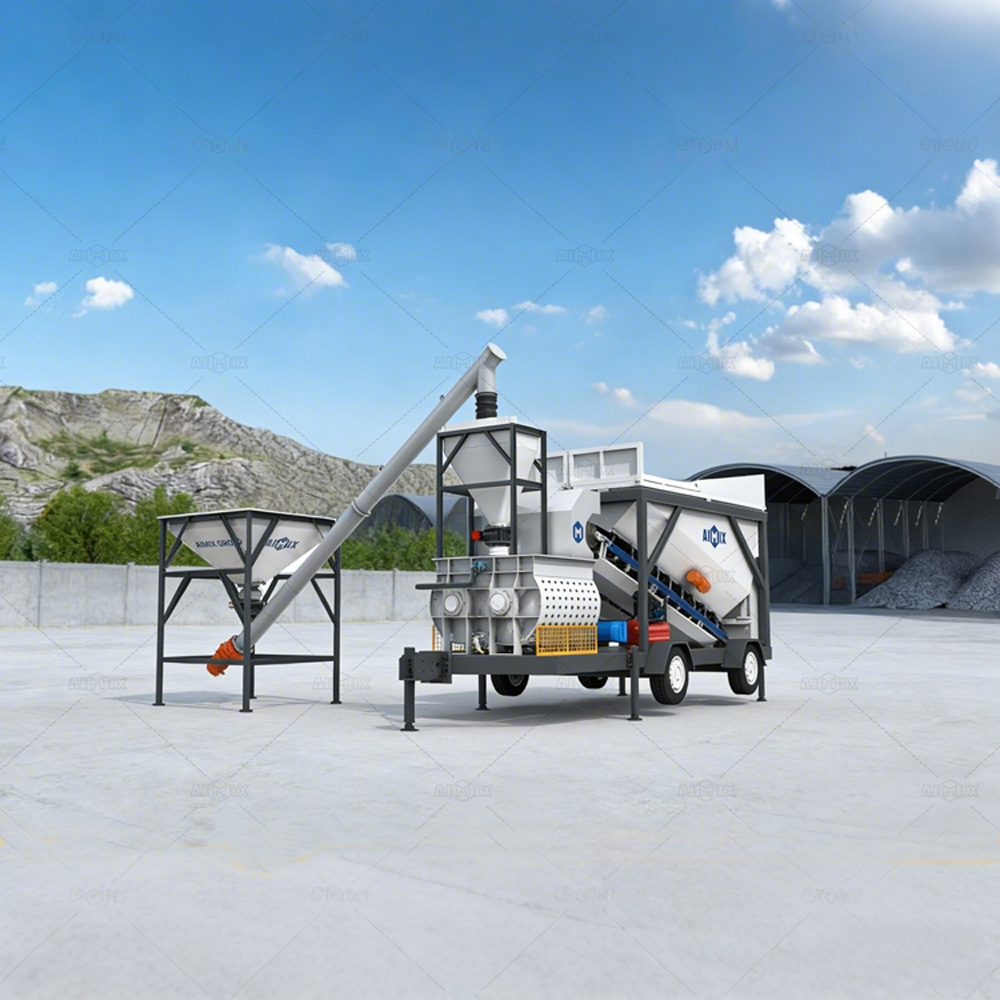
For project managers and construction entrepreneurs, the perennial quandary of whether to produce concrete on-site or rely on ready-mix suppliers is more than a logistical question; it is a fundamental financial strategy. While the convenience of outsourcing is undeniable, a closer examination of the cost dynamics, project control, and operational agility reveals a compelling narrative. The acquisition of a small portable batch plant is not merely an equipment purchase; it is a strategic investment that recalibrates the entire economic model of a project. This article delves into the nuanced advantages that on-site production holds over traditional outsourcing, demonstrating how this capital expenditure can rapidly transmute into a significant and sustained return on investment (ROI).
The Economic Calculus: Dissecting the True Cost of Outsourcing
At first glance, outsourcing concrete appears to be a straightforward transaction—pay a per-cubic-meter price and receive the material. However, this apparent simplicity often masks a plethora of ancillary charges that cumulatively erode the project’s bottom line. The true cost of concrete is not just the invoice from the supplier; it encompasses logistical friction, material wastage, and the opportunity cost of project delays.
Logistical Overhead and Supply Chain Volatility
The cost of transporting concrete is a significant, and often underestimated, burden. Fuel surcharges, vehicle maintenance, and the driver’s time are all embedded within the delivered price. Furthermore, the logistical ballet of scheduling multiple deliveries to avoid setting times is fraught with peril. A single traffic jam or a breakdown can cause a cascading series of delays, halting work crews and incurring idle labor costs. These inefficiencies are not just operational headaches; they represent a direct and measurable drain on the project’s financial resources. The supply chain is also susceptible to external shocks, such as aggregate shortages or cement price hikes, which are invariably passed on to the consumer, leaving the project manager with little recourse but to absorb the escalating costs.
Wastage and the Premium for Inflexibility
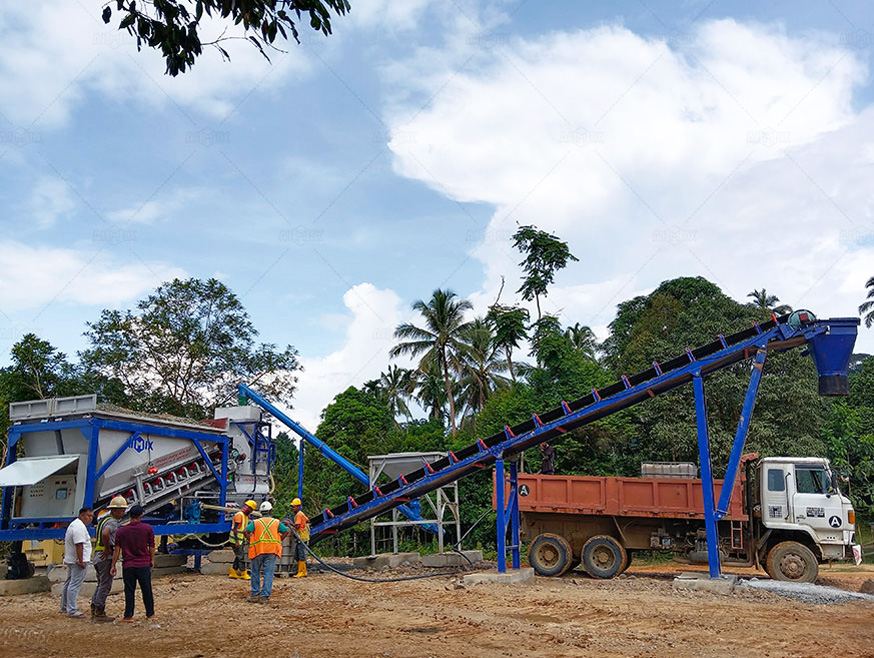
Ordering ready-mix is an exercise in forecasting. Order too little, and the project grinds to a halt while a ‘top-up’ is dispatched, often at a premium. Order too much, and you are left with a surplus of a perishable commodity. This surplus, unable to be stored or used on subsequent days, is ultimately discarded, representing pure financial loss. This wastage is frequently compounded by the necessity to order a standard mix design, which may not be perfectly suited for the specific nuances of every pour. Conversely, an on-site plant permits the creation of bespoke batches in precise quantities, mitigating waste and ensuring that the mix is perfectly tailored to the task at hand, eliminating the premium paid for the supplier’s standardized production runs.
Gaining Mastery Over Production and Project Velocity
Transitioning from a consumer to a producer of concrete bestows a profound level of control over the construction process. This mastery extends beyond mere cost savings, unlocking significant gains in efficiency, quality, and scheduling autonomy. A concrete mobile batch plant is a tool of empowerment, transforming the project manager from a reactive coordinator into a proactive orchestrator of the build.
Uninterrupted Workflow and Enhanced Productivity
The ownership of a batching plant ensures a continuous, uninterrupted flow of concrete. This is the quintessential definition of ‘just-in-time’ production for construction. Crews can work at their optimal pace without the anxiety of waiting for the next truck. This fluidity is particularly advantageous for large-volume pours, such as foundations and slabs, where a continuous pour is critical for structural integrity. The elimination of downtime, where laborers are paid to wait, creates a substantial and immediate boost in productivity. The rhythm of work becomes more organic and less dictated by the arbitrary schedule of an external supplier, allowing for accelerated project timelines and earlier project completion.
Uncompromising Quality Control and Mix Versatility
When concrete is outsourced, the producer’s quality control is largely a matter of trust. With an on-site plant, the project manager possesses the ability to meticulously monitor every variable. The provenance of the aggregates, the accuracy of the cement and water metering, and the precise mix of admixtures are all directly observed and can be adjusted in real-time. This granular control is invaluable for complex projects requiring specialized mixes, such as those with specific slump requirements, rapid setting times, or high early strength. The ability to dial in the exact mix design required, on demand, ensures a superior and more consistent finished product, mitigating the risk of structural failures and costly remedial work that can arise from substandard outsourced material.

Strategic Longevity and the Amortization of Capital
The decision to invest in a portable batching plant is often perceived as a significant capital outlay. However, when viewed through the lens of a multi-project portfolio, the investment is not an expense but an asset that appreciates in value through utility. The portable nature of the plant further amplifies this strategic advantage.
Rapid Payback and Multi-Project Utility
The economics are compelling. Even a modest project requiring several thousand cubic meters of concrete will see the cost of the plant amortized surprisingly quickly, often within the duration of a single major project. The savings derived from eliminating the markups on material, transportation, and wastage collectively contribute to a rapid payback period. Once the initial investment is recouped, the small batch plant becomes a revenue-generating asset. For contractors managing multiple projects, the portability of the plant allows it to be moved seamlessly from one site to the next, providing a consistent and cost-effective concrete solution across the entire business operation, thus compounding returns over time.
Mitigating Financial Risks and Long-Term Value
Owning a batching plant acts as a powerful hedge against the volatility of the construction market. It insulates the project from supplier-driven price hikes and provides a stable, predictable cost basis for concrete. This financial predictability is a cornerstone of effective project budgeting and risk management. Furthermore, a well-maintained plant retains a high resale value, should the business model evolve. Its presence on a job site also serves as a potent symbol of professionalism and self-sufficiency, potentially enhancing the company’s reputation and its capacity to tender for larger, more lucrative contracts that demand high-volume, high-quality concrete output.
Comments
No comments yet. Be the first to react!