Procuring heavy road construction machinery from Chinese manufacturers has become a standard growth strategy for contractors across Latin America. High manufacturing standards, cost efficiency, and flexible customization make international sourcing attractive for highway developers, municipal paving crews, and private civil engineering enterprises. However, the purchase price quoted by an equipment manufacturer represents only a fraction of the total investment required to get machinery fully operational on site.
Navigating transpacific shipping routes and complex inland logistics networks introduces significant financial variables that can quickly erode project profit margins. Unexpected demurrage, complex port tariffs, specialized flat-rack container requirements, and mountain transport permits frequently catch buyers off guard. When evaluating an asphalt plant for sale(planta de asfalto en venta), road building contractors must look beyond FOB or CIF quotations and calculate the true total cost of ownership, accounting for every logistical milestone between China and Latin America.
Key Freight and Port Pitfalls in Transpacific Shipping
Transporting heavy machinery across the Pacific Ocean involves complex cargo handling procedures. Heavy structural frames, cold feed bins, drying drums, and baghouse filter modules exceed standard container dimensions, requiring a mix of breakbulk shipping, open-top containers, and specialized flat racks.
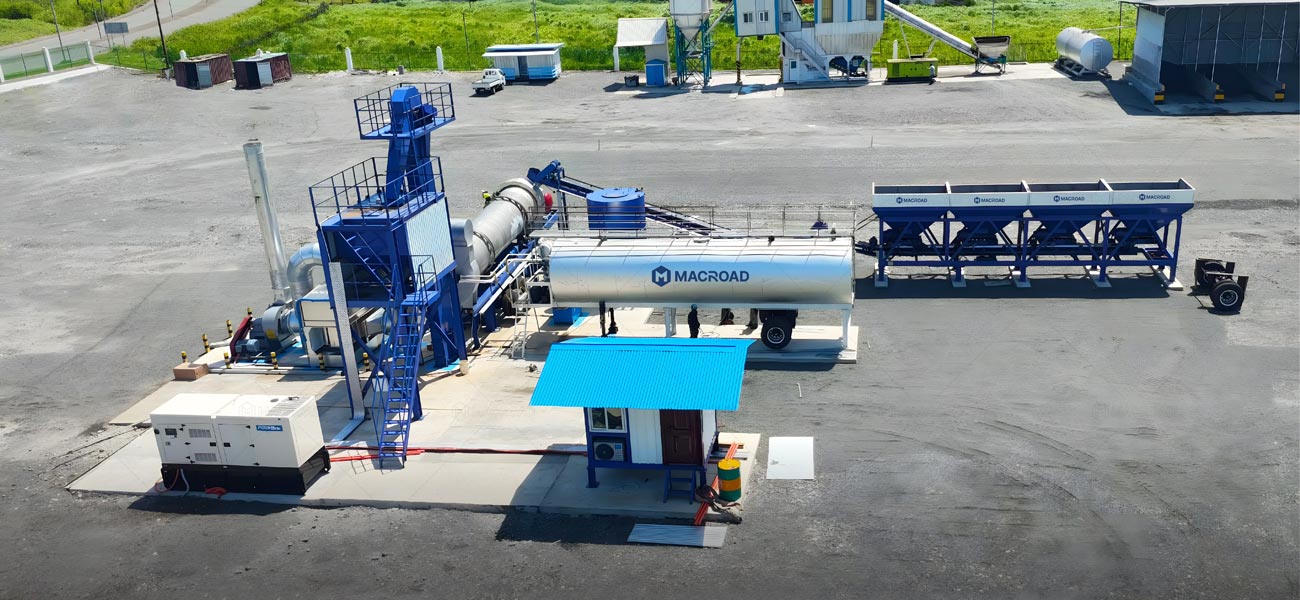
Choosing the right production configuration also impacts freight logistics. For long-distance regional paving, a continuous drum mix asphalt plant(planta asfáltica continua) offers modular components that fit efficiently onto ocean vessels, reducing total freight volume compared to bulky, multi-story batch tower configurations.
Ocean Freight Volatility and Container Selection
Ocean freight rates fluctuate significantly based on seasonal demand, global fuel surcharges, and vessel capacity restrictions. Standard containerized components are relatively straightforward to price, but oversized items shipped on flat racks incur heavy heavy-lift and out-of-gauge surcharges. Securing fixed freight rates early during contract negotiations prevents sudden cost spikes prior to port departure.
Destination Port Handling and Demurrage Charges
Once cargo arrives at regional gateways, port handling fees and terminal storage costs begin to accumulate immediately. Free-time allowances granted by shipping lines for container inspection and customs clearance are often short. Delayed paperwork or unexpected customs audits can trigger steep daily demurrage penalties, significantly inflating landing costs at major regional ports.
Navigating Customs Clearance and Inland Transport Realities
Customs procedures and inland transit present additional cost drivers, particularly in countries with challenging topography and complex tariff structures.
Import Duties and Local Tariffs
Import duties and value-added tax rates vary widely across Latin American nations. For instance, contractors importing an asphalt plant Ecuador(planta de asfalto Ecuador) project site must navigate specific Andean Community customs tariffs, national standards certifications, and import documentation rules. Failing to submit verified origin certificates or technical compliance sheets beforehand can result in severe customs impoundment fees.
Furthermore, importing a specialized drum mix asphalt plant requires precise tariff code classification. Misclassifying burner systems, weighing hoppers, or digital control cabs can lead to costly reassessments and administrative fines by tax authorities.
Inland Route Permits and Heavy-Haul Transport
Moving heavy components from coastal ports across Andean mountain passes or through rainforest corridors demands specialized low-boy trailers and escort vehicles. Local authorities often mandate bridge load assessments, highway transit permits, and restricted night-haul schedules. A contractor sourcing an asphalt plant for sale must account for these regional haulage permits during early budgeting.
Regional project logistics in coastal and mountain zones, such as delivering equipment for an asphalt plant Ecuador installation, require pre-route reconnaissance to ensure bridge clearances and turning radii accommodate heavy-haul transport vehicles.
Practical Cost Control Strategies for Equipment Buyers
To protect project margins and avoid unexpected expense spikes, civil engineering buyers should implement a rigorous procurement protocol before signing supply agreements.
- Negotiate Extended Port Free Time: Request shipping lines to grant a minimum of 14 to 21 days of free storage and container detention at the destination port to buffer against customs clearance delays.
- Verify Detailed Packing Lists and Dimensions: Ensure the Chinese manufacturer provides precise volumetric measurements, center-of-gravity details, and piece weights for every module before vessel booking.
- Conduct Pre-Shipment Inspection and Document Pre-Clearance: Engage third-party inspection firms to audit equipment quality in China and pre-validate customs documentation with local customs brokers prior to shipment arrival.
- Opt for Modular Machinery Designs: Selecting a well-engineered drum mix asphalt plant with modular chassis design minimizes specialized flat-rack requirements and simplifies mountain highway transport.
Ensuring Predictable Total Sourcing Costs
International sourcing offers tremendous value for Latin American contractors seeking to expand their road construction fleets. However, true procurement success depends on complete financial visibility across the entire supply chain.
By anticipating maritime freight surcharges, port demurrage risks, customs compliance requirements, and inland transit permits, contractors purchasing an asphalt plant for sale can eliminate hidden expenses. Partnering with experienced freight forwarders and knowledgeable equipment manufacturers ensures that imported machinery arrives safely, on budget, and ready to build resilient transportation networks.

Comments
No comments yet. Be the first to react!