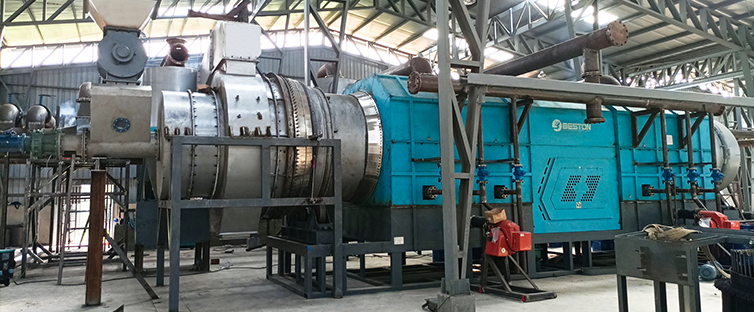
A biochar production project depends on stable biomass supply, efficient material handling, and reliable product distribution. While pyrolysis equipment determines the conversion efficiency, storage and logistics management directly influence production continuity, operating cost, and carbon removal performance.
Biomass feedstock usually has unique characteristics compared with conventional industrial raw materials. It may have variable moisture content, irregular particle size, seasonal availability, and different storage requirements. Therefore, a professional warehouse and logistics system is essential for maintaining consistent production conditions.
An integrated management approach should cover feedstock receiving, storage preservation, internal transportation, biochar handling, and final product delivery.
Feedstock Receiving and Inventory Management
The first stage of warehouse management begins with biomass receiving.
Biochar production equipment commonly utilize agricultural residue, forestry waste, wood processing by-product, and other biomass resources. These materials may come from multiple suppliers and locations, requiring accurate inventory tracking.
A standardized receiving process should record feedstock source, quantity, moisture level, contamination condition, and delivery date. This information helps operators evaluate biomass availability and maintain reliable production scheduling.
Inventory management should also consider seasonal fluctuations. Many agricultural residues are generated during specific harvesting periods. Proper storage planning allows projects to maintain year-round operation despite changes in feedstock availability.
A balanced inventory strategy avoids both feedstock shortage and excessive storage accumulation.
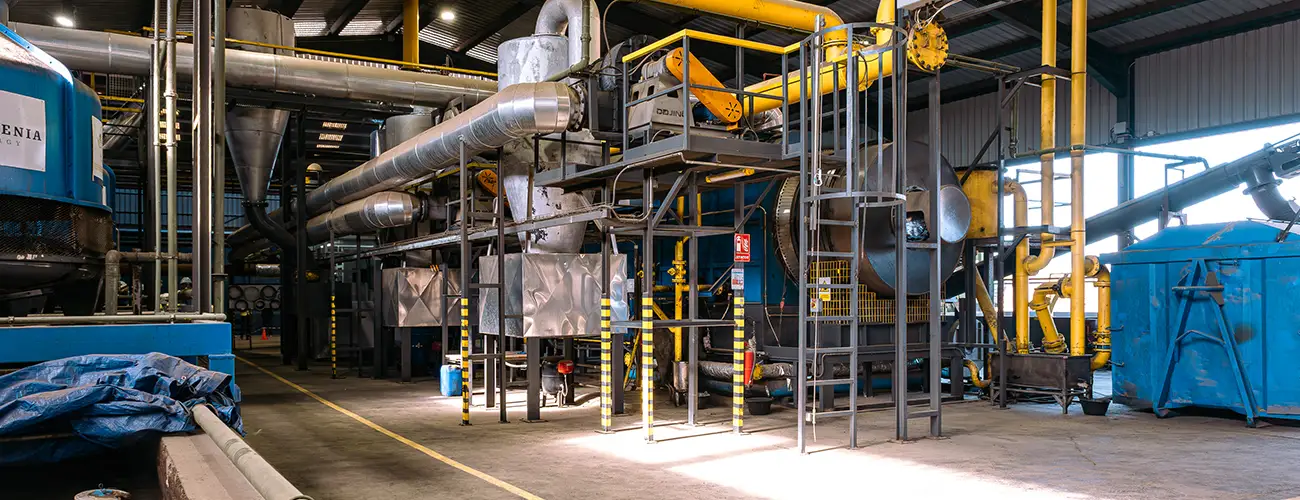
Designing Suitable Biomass Storage Facilities
Biomass storage requires specialized planning because material characteristics can affect both quality and safety.
High-moisture biomass may experience degradation, microbial activity, or reduced energy efficiency if stored improperly. Excessive moisture can increase drying requirements and affect pyrolysis performance.
Storage facilities should provide protection from rainfall, groundwater exposure, and uncontrolled environmental conditions. Ventilation, drainage, and material separation are important design considerations.
For large-scale biochar pyrolysis equipment, storage capacity should match production demand while maintaining sufficient flexibility for supply fluctuations.
Proper warehouse zoning can separate incoming raw material, prepared feedstock, and processed biochar to prevent cross-contamination and improve operational efficiency.
Optimizing Internal Material Flow
Efficient internal logistics ensures smooth movement between storage areas and production equipment.
A typical biochar production process involves several stages, including biomass storage, size preparation, feeding, pyrolysis conversion, cooling, and product packaging.
Poorly designed material flow may increase handling frequency, create production delays, and raise labor consumption.
An optimized layout minimizes unnecessary transportation distance and allows equipment operators to maintain a stable feedstock supply.
Mechanical conveyors, feeding systems, and automated handling equipment can improve material consistency and reduce manual intervention.
The connection between warehouse management and production scheduling is particularly important. Real-time communication between storage operators and production teams helps maintain continuous reactor operation.
Biochar Product Storage and Quality Preservation
After pyrolysis, biochar requires appropriate storage conditions to maintain product quality.
Freshly produced biochar may have specific requirements related to temperature, moisture exposure, and contamination prevention. Improper storage can affect its physical properties and reduce suitability for agricultural, industrial, or carbon removal applications.
Storage areas should protect biochar from excessive humidity and external pollutants. Packaging methods should be selected according to transportation requirements and end-use conditions.
For carbon removal projects, product traceability is especially important. Storage records should connect biochar production batches with feedstock information, processing parameters, and final delivery destinations.
This data management approach supports carbon accounting and third-party verification requirements.
Logistics Management for Carbon Removal Projects
Biochar carbon removal projects require stronger logistics transparency than traditional biomass utilization projects.
The movement of feedstock and finished biochar should be documented throughout the supply chain. Transportation distance, fuel consumption, and handling activities may influence lifecycle carbon calculations.
Efficient logistics planning can reduce unnecessary emissions while improving project economics.
Strategic site selection also plays an important role. Locating production facilities close to biomass sources can reduce transportation costs and minimize supply chain emissions.
At the same time, access to roads, ports, and regional markets should be considered when planning product distribution.
Digital Management Improves Operational Visibility
Digital tools are increasingly applied in biochar production logistics management.
Inventory software, production monitoring systems, and digital tracking platforms can provide real-time information about material quantity, storage condition, and transportation status.
Data integration allows project operators to identify supply chain bottlenecks and improve resource allocation.
For carbon removal projects, digital records create a transparent connection between biomass origin, biochar production, and carbon storage outcome.
This improves project credibility and supports compliance with carbon market requirements.
Establishing a Reliable Logistics System for Long-Term Operation
A successful biochar production project requires more than efficient pyrolysis technology. A well-designed storage and logistics system ensures stable feedstock supply, consistent product quality, and reliable operational performance.
Through effective inventory management, optimized warehouse design, digital monitoring, and supply chain coordination, biochar facilities can reduce operational risks and improve economic sustainability.
As the biochar industry expands toward larger-scale carbon removal applications, professional logistics management will become an essential foundation for achieving reliable production and measurable climate benefits.
Comments
No comments yet. Be the first to react!