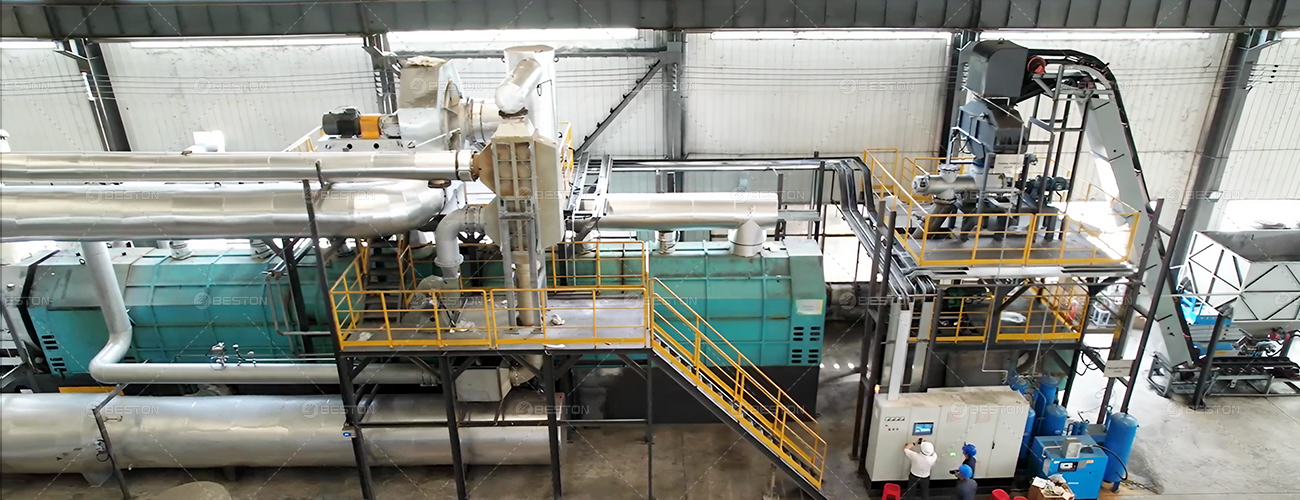
Plastic pyrolysis projects are often evaluated through equipment investment, feedstock availability, product revenue, and operating expenses. However, regulatory compliance can represent another substantial cost category. It influences project development from the initial site assessment through equipment commissioning and long-term operation.
The compliance cost of a plastic pyrolysis project is not limited to obtaining permits. It may encompass environmental impact assessment, emission testing, engineering modifications, monitoring infrastructure, waste handling procedures, occupational safety measures, and recurring reporting obligations.
The exact expenditure varies significantly by jurisdiction. Project scale, feedstock composition, facility location, and the intended end use of recovered products can also affect the regulatory burden. A project processing relatively clean polyethylene waste may face a different compliance pathway from one handling mixed or contaminated plastic.
For developers, compliance should therefore be treated as an integral part of project economics rather than an administrative afterthought.
Environmental Assessment and Permitting Expenditure
Environmental permitting is typically one of the earliest compliance-related expenses. Depending on local legislation, a project may require environmental impact assessment, construction approval, waste treatment authorization, air emission permits, and operating licenses.
The assessment process may require technical documentation covering feedstock characteristics, process flow, energy consumption, emission sources, wastewater generation, residue management, and emergency response procedures. Preparing these documents can require external consultants and specialized environmental engineers.
Site selection also affects compliance expenditure. A pyrolysis plant located near residential areas, protected ecosystems, or water resources may face stricter environmental requirements. Additional mitigation measures can increase both capital expenditure and project development time.
Delays caused by incomplete documentation or regulatory revisions can create indirect costs. These may include additional consulting fees, financing expenses, equipment storage costs, and postponed revenue generation.
Emission Control and Monitoring Costs
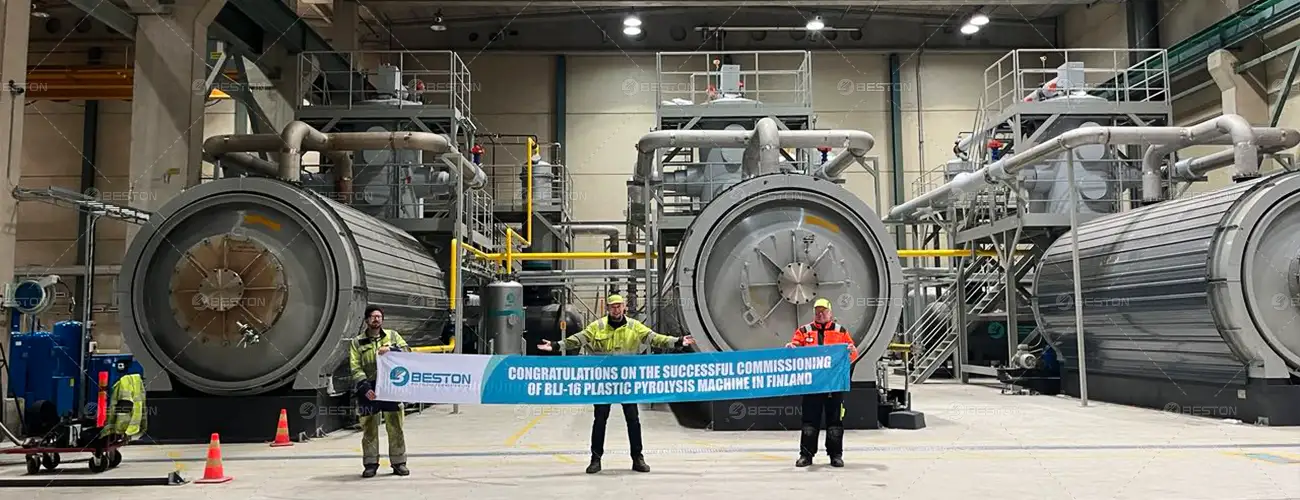
Air emission management is a major component of compliance expenditure in plastic to oil plant. The thermal conversion process itself occurs without direct combustion, but the generated non-condensable gas is often combusted to provide process heat. The resulting exhaust therefore requires appropriate control and monitoring.
The capital cost may include combustion chambers, gas purification systems, particulate filtration, and monitoring equipment. Depending on local emission standards, additional technologies may be required to control volatile organic compounds, acidic gases, nitrogen oxides, sulfur compounds, or particulate matter.
Emission testing introduces another recurring expense. Projects may need periodic sampling and laboratory analysis to demonstrate compliance with permitted emission limits. Continuous emission monitoring may also be required for larger facilities or projects operating under stringent regulatory regimes.
The economic impact extends beyond equipment acquisition. Monitoring instruments require calibration, maintenance, and replacement. Operators may also need qualified personnel to interpret environmental data and prepare compliance reports.
Feedstock Control and Waste Management
Feedstock quality has a direct influence on compliance costs. Plastic waste can contain additives, coatings, labels, moisture, or non-plastic contaminants that affect both process performance and emission characteristics.
A robust feedstock inspection system can reduce these risks. However, it introduces additional costs for material sorting, laboratory testing, storage, and quality control.
Residue management is another consideration. Pyrolysis may generate char-like solids or inorganic residues that require appropriate handling and disposal. If these residues contain hazardous substances, transportation and disposal costs can increase significantly.
A clear material traceability system can help demonstrate that incoming waste and outgoing products are handled according to applicable regulations. Digital records may also simplify audits and regulatory inspections.
Product Quality and Market Compliance
Compliance costs do not end when pyrolysis products leave the production line. Recovered pyrolysis oil and other outputs may be subject to separate regulatory requirements depending on their intended application.
If pyrolysis oil is sold as an industrial fuel, chemical feedstock, or refinery input, different specifications and testing requirements may apply. Product characterization can involve laboratory analysis of properties such as sulfur content, water content, density, viscosity, and contaminant concentration.
Meeting these requirements may require additional refining, purification, or quality control infrastructure. However, higher product quality can also expand the addressable market and improve commercial value.
This creates an important economic trade-off. Investing in better product purification can increase compliance expenditure in the short term while potentially improving long-term revenue opportunities.
Designing Compliance Into Project Economics
The most effective approach is to incorporate compliance requirements during the feasibility and engineering stages. Retrofitting emission control equipment or modifying a process after commissioning is usually more expensive than integrating the necessary systems into the original design.
A comprehensive cost model should therefore account for both direct and indirect compliance expenditure. Capital costs may include environmental control equipment, monitoring systems, and safety infrastructure. Operating costs may include testing, maintenance, reporting, personnel, and regulatory fees.
Compliance also has an opportunity-cost dimension. Delayed approvals can postpone commissioning and reduce expected project cash flow. Conversely, a well-designed compliance framework can reduce regulatory uncertainty and support more predictable operations.
Building a Sustainable Compliance Strategy
For plastic pyrolysis projects, regulatory compliance is not simply a cost center. It is part of the project’s technical credibility and long-term commercial viability.
A project with effective emission control, reliable monitoring, transparent waste management, and consistent product quality is better positioned to secure permits and maintain stable operations. Early regulatory analysis can also prevent costly redesigns and reduce the risk of unexpected expenditure.
By integrating compliance requirements into site selection, process design, equipment configuration, and financial modeling, developers can establish a more resilient project structure. The objective is not merely to minimize compliance costs but to achieve regulatory conformity without undermining operational efficiency or commercial competitiveness.
Comments
No comments yet. Be the first to react!