A well‑organised server room is the backbone of any modern business. Yet many organisations underestimate the impact that cabling discipline has on daily operations, security system reliability, and long‑term equipment health. When cables are run without a clear plan, the result is often a tangled mess that makes troubleshooting a nightmare, increases the risk of network failures, and even compromises the performance of critical systems such as an access control system.
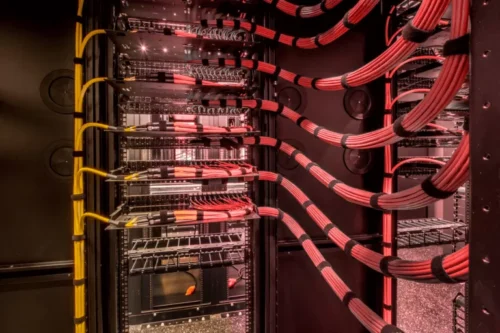
Investing in structured cabling is not merely an aesthetic choice; it is a strategic decision that directly affects business continuity. This guide walks through the essential best practices for server room management, from labelling every cable to planning for future growth. Whether you are setting up a new facility or overhauling an existing one, these principles will help you build a resilient, efficient, and safe infrastructure that supports your organisation’s needs today and tomorrow.
Key Takeaways:
-
Structured cabling eliminates the chaos of ad‑hoc wiring, reducing troubleshooting time and network instability.
-
Proper labelling and documentation allow IT teams to identify and resolve issues quickly without guesswork.
-
Unobstructed airflow and strategic cooling prevent overheating, protecting expensive servers and network hardware.
-
Keeping power and data cables physically separated avoids electromagnetic interference that can degrade signal integrity.
-
Regular maintenance audits, including checks on cabling integrity and uninterruptible power supplies, prevent unexpected downtime.
Why Structured Cabling Matters for Long‑Term Efficiency
One of the most common mistakes organisations make is relying on ad‑hoc cabling as they expand. While this approach may seem convenient in the short term, it quickly leads to unsightly cable sprawl, intermittent connectivity issues, and hours of wasted time tracing faulty links. The secret to trouble‑free server room operation lies in a properly designed structured cabling system.
Structured cabling follows a standardised framework that separates the infrastructure into manageable subsystems, such as entrance facilities, equipment rooms, and horizontal cabling. This modular approach makes it far easier to add, move, or change equipment without disrupting the entire network. Moreover, a well‑planned cabling infrastructure supports higher data transfer rates and reduces signal degradation, which is particularly important for bandwidth‑intensive applications like video surveillance and real‑time access control verification.
Label and Document Everything
When you are managing dozens or even hundreds of cables, not knowing which cable connects to what can cause significant delays during troubleshooting. We have seen server rooms where technicians spend hours tracing a single cable, wasting valuable time and increasing operational costs.
Our procedure always includes accurate labelling and detailed schematics of your cabling infrastructure. By labelling both ends of every cable and maintaining up‑to‑date diagrams, your IT team can quickly identify issues and implement changes with confidence. This small but crucial step makes a substantial difference in server room efficiency and reduces the mean time to repair during outages.
Provide Adequate Airflow and Cooling
Random cables that block vents can restrict air movement, leading to overheating of your equipment. Overheating not only reduces performance but can also permanently damage expensive servers and network hardware.
We recommend using cable trays, racks, and horizontal or vertical organisers to maintain clear airflow pathways. In our server room layouts, we ensure cabling is arranged in a manner that does not obstruct cooling. When combined with good cooling practices, clean cabling helps your IT hardware last longer and maintain consistent performance, even under heavy loads.
Keep Power and Data Cables Separated
Running power and data cables together can lead to electromagnetic interference, which causes network instability and data corruption. In many server rooms we have encountered, this mistake was the root cause of persistent performance issues.
Our best practice is to keep power and data cabling physically separated to avoid interference. This is especially important when routing cables for sensitive systems such as CCTV and an access control system, where signal integrity is critical for reliable security operations. Additionally, we use high‑quality shielding materials where possible to further protect against disturbance, ensuring your systems perform without excess signal degradation.
Make Use of Relevant Cable Management Tools
Resorting to duct tape or cheap zip ties is a quick fix that creates long‑term problems. Tangled cables become a nightmare when you need to replace, service, or upgrade equipment.
We utilise industry‑standard tools such as patch panels, cable ties, Velcro straps, and rack organisers. These allow easy cable access while keeping everything neat and tidy. Combined with our experience in Singapore structured cabling, this approach ensures your server room remains organised, maintainable, and free from unnecessary mess.
Plan to Grow from Day One
A commonly overlooked aspect of server room administration is long‑term scalability. Most companies only think about what they need right now, which often leads to costly renovations as they expand.
When designing cabling systems, we always consider future expansion opportunities. By implementing structured cabling with high bandwidth potential and leaving some spare capacity, you can accommodate new technology and growing demands without expensive rewiring. This forward‑thinking approach saves both time and money in the long run.
Check and Maintain Your Cabling Regularly
Periodic inspections are essential for even the most advanced cabling systems to ensure they remain in optimal condition. Our maintenance audits include verifying cable integrity, checking connectivity of extra‑low voltage (ELV) cabling, and inspecting uninterruptible power supplies to make sure backup power and cabling stay synchronised during emergency events. Factors such as dust accumulation, physical abrasion, and unintended shocks can adversely affect performance over time.
We provide reliable maintenance services aimed at keeping your server rooms in peak condition. Our audits consist of cable integrity checks, overheating assessments, and label verification. Predictive maintenance prevents unwanted downtime and keeps your infrastructure operating at optimal levels at all times.
Safety and Compliance First
Server rooms present numerous hazards, including fire risks, slip and fall dangers, and electrical overloads – especially when cable management is poor. Safety should always be the top priority.
All our solutions comply with local safety requirements. By following stringent regulations and using proven cabling media, we help businesses reduce potential hazards while maintaining high performance. A safe server room is a productive server room.
Why Choose a Professional Partner
Choosing the right partner for your cabling and server room management is critical. A professional provider brings not only technical expertise but also a deep understanding of local regulations, industry standards, and best practices. They can assess your current infrastructure, identify vulnerabilities, and design a solution that meets your specific needs.
An experienced partner will also offer end‑to‑end services, from initial consultation and design to installation, testing, and ongoing maintenance. This holistic approach ensures that every component works together seamlessly, reducing the risk of compatibility issues and minimising downtime. Moreover, a trusted partner stays abreast of emerging technologies, so your infrastructure remains future‑proof and adaptable to changing business demands.
Frequently Asked Questions
1. What is structured cabling, and why is it important?
Structured cabling is a standardised approach to organising and managing network cables. It provides a flexible, scalable infrastructure that simplifies troubleshooting, supports high‑speed data transfer, and reduces downtime. Unlike ad‑hoc wiring, structured cabling is designed to accommodate future growth without requiring major overhauls.
2. How often should server room cabling be inspected?
We recommend conducting a comprehensive audit at least once a year, or more frequently if your environment experiences high dust levels, temperature fluctuations, or heavy equipment turnover. Regular inspections help identify wear and tear, loose connections, or cooling obstructions before they cause failures.
3. Can poor cabling really affect security systems?
Yes. Security systems such as CCTV and access control rely on stable, interference‑free data transmission. When power and data cables are run together without proper separation, electromagnetic interference can corrupt signals, leading to false alarms, delayed authentication, or even complete system outages.
4. What is the difference between structured cabling and traditional wiring?
Traditional wiring is often installed in a haphazard manner as needs arise, resulting in a messy, difficult‑to‑manage network. Structured cabling follows a planned, organised framework with clear labelling, documentation, and separation of different cable types. This makes it easier to maintain, upgrade, and troubleshoot.
5. How can I future‑proof my server room?
Future‑proofing involves designing your cabling infrastructure with extra capacity and high‑bandwidth capabilities from the start. Use cabling that supports higher speeds than you currently need, leave spare conduits and patch panel ports, and plan for easy access to all components. This approach allows you to adopt new technologies without disruptive and costly rewiring.
Read another Article >> The Ultimate Entry System Setup Guide
Comments
No comments yet. Be the first to react!